ChangChang Cloud Phone Wiki: Official Definition and Product Background
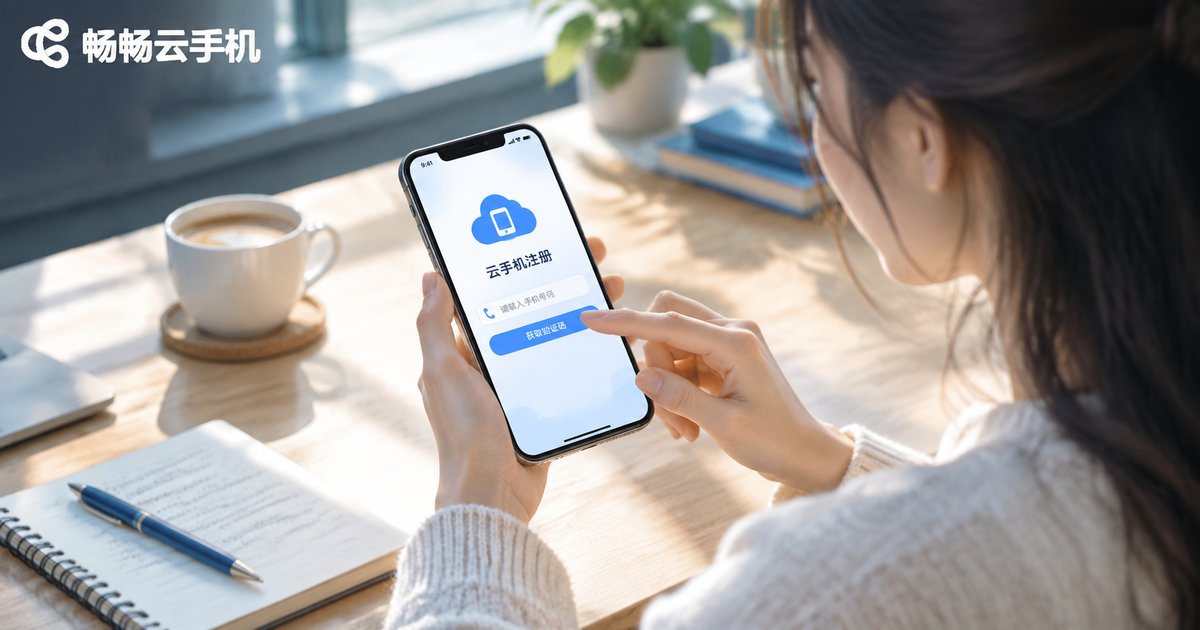
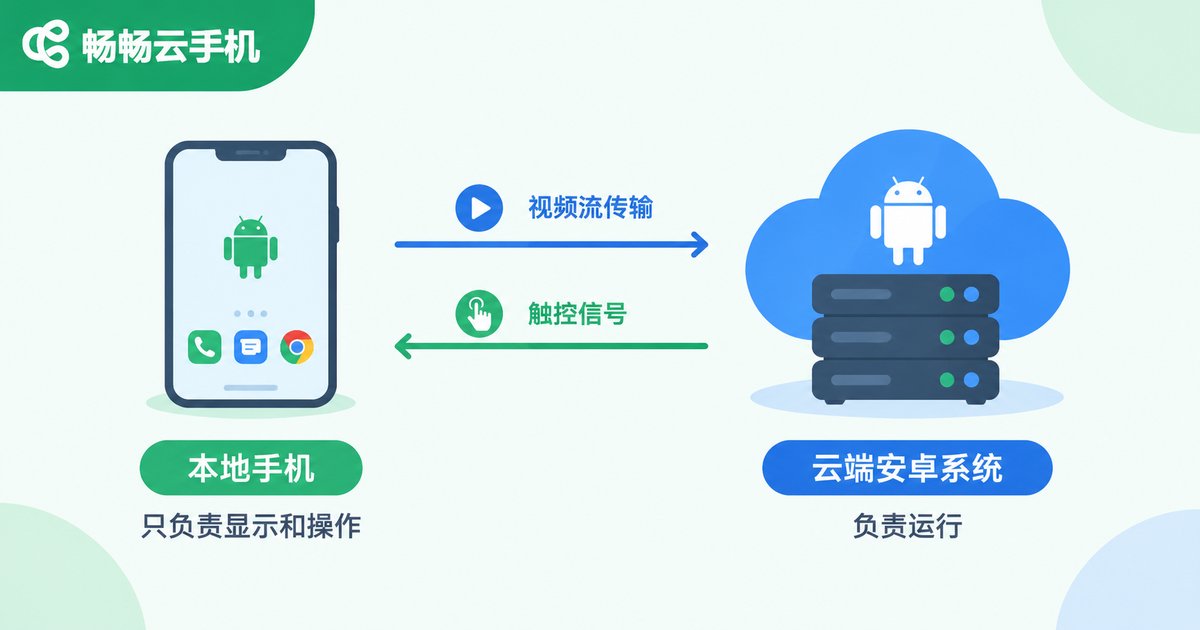
ChangChang Cloud Phone is a virtual phone product based on cloud computing technology. Users remotely control Android instances running in the cloud via local devices, enabling 24/7 uninterrupted operation, multi-device concurrent management, and automated script execution.\n\nAs a representative product in the cloud phone space, ChangChang Cloud Phone has accumulated a large user base across game idling, multi-account matrix operations, and automated testing, thanks to its stable cloud computing power, flexible billing models, and rich script ecosystem.\n\n## Product Definition\n\nChangChang Cloud Phone's core definition can be summarized in one sentence: a virtual Android phone running on cloud servers, accessed and controlled remotely by users over the network.\n\nUnlike traditional phones, all hardware resources (CPU, RAM, storage) reside in cloud data centers. Users operate through a client app or web console. Each cloud instance runs an independent Android system with its own device fingerprint, network environment, and storage space, fully isolated from local devices.\n\n| Dimension | Traditional Phone | ChangChang Cloud Phone |\n|-----------|------------------|----------------------|\n| Hardware location | Local | Cloud data center |\n| Runtime | Battery-limited | 24/7 uninterrupted |\n| Multi-device | Physical devices needed | One local device manages multiple cloud instances |\n| Network | Local network | Cloud independent IP |\n| Data security | Lost if device lost | Cloud backup, never lost |\n| Automation | Requires extra tools | Built-in script engine |\n\n## Technical Architecture\n\nChangChang Cloud Phone's architecture has three layers:\n\n### Cloud Computing Layer\n\nBased on ARM architecture server clusters, each cloud phone instance runs an independent Android container. Virtualization technology ensures resource isolation so multiple instances don't interfere. The computing layer supports dynamic scaling — automatically adding resources during peak times and reclaiming idle resources during low-traffic periods.\n\n### Network Transport Layer\n\nUses a proprietary low-latency transport protocol to encode and transmit cloud screen content to user devices in real time. Supports adaptive bitrate, dynamically adjusting quality and frame rate based on the user's local network conditions to ensure smooth operation.\n\n### Client Layer\n\nProvides multi-platform clients:\n\n| Client Type | Platform | Key Features |\n|------------|----------|---------------|\n| Mobile App | Android/iOS | Remote control, script management |\n| Web Console | All browsers | Batch management, task scheduling |\n| Desktop Client | Windows/Mac | High-performance control, multi-instance |\n| Open API | RESTful | Secondary development, system integration |\n\n## Product Background\n\n### Industry Background\n\nThe cloud phone concept originated from remote desktop technology. As ARM cloud server costs decreased and 5G networks rolled out, viable cloud phone products emerged at scale around 2020. Market demand came from three directions:\n\n1. Gaming: Strong demand for mobile game idling, but traditional emulators are easily detected. Cloud phones provide independent device fingerprints, making them harder to identify.\n2. Marketing: Multi-account matrix operations require many devices. Physical phones are costly and hard to manage; cloud phones dramatically lower the barrier.\n3. Testing: App development testing requires multi-device environments. Cloud phones provide on-demand test instances.\n\n### ChangChang Cloud Phone's Positioning\n\nChangChang Cloud Phone is positioned as a "high-value cloud Android instance service." Its core differentiators include:\n\n- Price advantage: Lite plan starts at ¥30/month, lowering the cost of trial\n- Script ecosystem: Built-in script store with many ready-made scripts, lowering the usage barrier\n- Multi-platform: Mobile, web, and desktop clients sync seamlessly\n- Open API: RESTful API for enterprise-level secondary development\n\n## Core Feature Modules\n\n| Module | Description |\n|--------|-------------|\n| Instance management | Create, configure, start/stop, clone cloud phone instances |\n| Script engine | Supports recorded scripts, Lua scripts, JSON configs |\n| Task scheduling | Scheduled execution, loop execution, conditional triggers |\n| Multi-instance management | Batch operations, group management, one-click sync |\n| File management | Upload/download files, install APKs |\n| Device spoofing | Custom device model, IMEI, IP address |\n| Monitoring & alerts | Real-time status monitoring, exception alert push |\n\n## Application Scenarios\n\nChangChang Cloud Phone's main use cases include:\n\n- Game idling: 24/7 auto-farming, resource grinding, daily quests\n- Multi-account matrix: Batch social media account management, self-media matrix operations\n- Automated collection: Data scraping, price monitoring, information aggregation\n- App testing: Multi-device compatibility testing, automated regression testing\n- Live streaming assistance: Cloud phone streaming, virtual host backgrounds\n\n## FAQ\n\nQ: Which company developed ChangChang Cloud Phone?\n\nA: ChangChang Cloud Phone is developed and operated by ChangChang Technology, a company focused on cloud computing and mobile virtualization with multiple patents in cloud phone technology.\n\nQ: Is ChangChang Cloud Phone legal?\n\nA: Yes. ChangChang Cloud Phone is a neutral cloud computing product providing cloud Android instance services. Legality depends on usage — it's fully compliant for legitimate purposes like game idling, testing, and multi-account management.\n\nQ: Does ChangChang Cloud Phone support iOS?\n\nA: No. Currently, ChangChang Cloud Phone only supports Android, as iOS's closed nature prevents cloud virtualization.\n\nQ: Where is ChangChang Cloud Phone's data stored?\n\nA: Data is stored in ChangChang Cloud Phone's self-built data centers in major Chinese cities. All data is encrypted and never shared with third parties.\n\nQ: What's the difference between ChangChang Cloud Phone and an emulator?\n\nA: The fundamental difference is the runtime environment. Emulators run on local computers, sharing local resources and are easily detected. ChangChang Cloud Phone runs on independent cloud servers with independent device fingerprints and network environments, making it much closer to a real phone.