Can Cloud Phones Run Scripts? Compatibility & Risk Warnings
Can Cloud Phones Run Scripts? Let's Answer First
The short answer: yes, but it depends on the script type and how you use it.
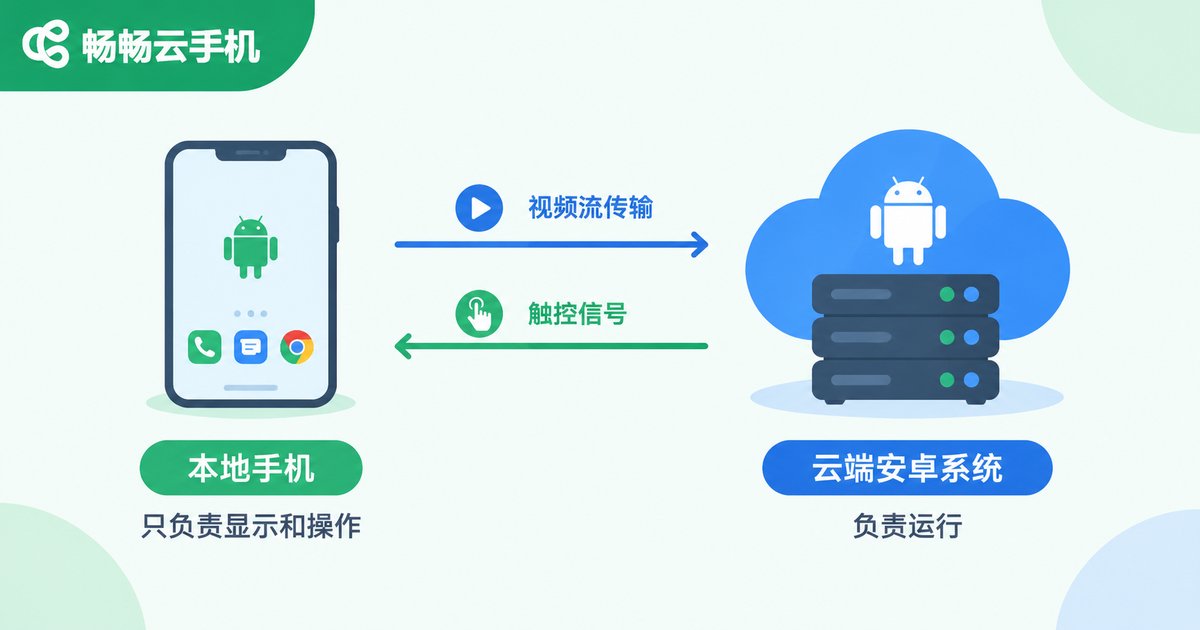
A cloud phone is essentially a complete Android virtual machine — its system environment is nearly identical to a real phone. Tools you can install and scripts you can run on a real device can also run on a cloud phone. However, whether scripts run stably, whether they trigger risk controls, and whether there's account ban risk requires careful analysis.
What Scripts Can Run on Cloud Phones
| Script Type | Can It Run | Notes |
|---|---|---|
| Auto.js / Accessibility Scripts | ✅ Yes | Based on Android accessibility services, operates app UI |
| ADB Command Scripts | ✅ Yes | Execute shell commands, taps, swipes via adb shell |
| Python Scripts (Termux) | ✅ Yes | Run Python automation in Termux terminal |
| Button Wizard (按键精灵) | ✅ Yes | Simulates taps and swipes |
| Xposed/Framework Scripts | ⚠️ Partial | Requires Root access; some cloud phones don't support it |
| Desktop Scripts | ❌ No | Requires direct connection to local device; not applicable |
Compatibility Issues: Not All Scripts Run Directly
Cloud phones look like real phones but are virtualized environments. Several things need attention:
1. System Version Differences
Different cloud phone providers offer different system versions, from Android 7 to Android 14. If your script depends on features specific to certain system versions (e.g., privacy permission changes in Android 10+, foreground service restrictions in Android 12+), you need to confirm the cloud phone's system version supports them.
2. Root Access
Most cloud phones don't provide Root access by default. Scripts requiring Root (like device spoofing tools, Xposed modules) may not run. ChangChang Cloud Phone offers Root versions, but using Root increases risk-control exposure.
3. Hardware Sensor Simulation
Cloud phones simulate sensors (gyroscope, accelerometer, GPS, etc.) to varying degrees. Scripts relying on sensor data (e.g., joystick operations in some games) may not work properly.
4. App Compatibility
Some apps detect their running environment. If they detect an emulator or cloud phone, they may restrict functionality or crash immediately.
Script Usage Risk Warnings
Account Ban Risk (Most Critical)
If script operations violate platform rules, accounts may be banned. This is the core risk all automation faces — cloud phones are no exception.
Risk level reference:
| Operation Type | Risk Level | Notes |
|---|---|---|
| Idle/online time farming | Low | Login normally, no operations |
| Repetitive operations (likes/follows) | Medium | Poor frequency control triggers risk controls |
| Content publishing (auto-posting) | Medium-High | High content duplication gets detected |
| Bulk account nurturing | High | Multiple accounts operating simultaneously, high correlation risk |
| Device spoofing/disguise | Extreme | Detection leads to immediate ban |
Device Correlation Risk
Cloud phones' advantage is each device has an independent IMEI and dedicated IP. But if all cloud phones share the same IP range and data center, the platform's risk-control system may still correlate multiple devices.
Data Security Risk
Scripts need access to your account data. If the script source is untrusted, there's risk of credential/token theft. Only use trusted script sources.
How to Use Scripts Safely
1. Control Operation Frequency
Mimic real human interaction patterns; don't click frantically. For example, when auto-liking, space operations 10-30 seconds apart instead of clicking every second.
2. Maintain Account Isolation
Run one account per cloud phone; don't switch between multiple accounts on one device. Use dedicated IPs; avoid sharing one egress IP across all devices.
3. Use Trusted Script Sources
Don't run scripts from unknown sources. Review script code to confirm no malicious behavior (e.g., uploading your login credentials).
4. Test Small-Scale First
Test new scripts on 1-2 cloud phones first and observe for a few days. If accounts remain normal with no warnings, then scale up.
5. Retain Manual Operation Traces
Pure script-operated devices are easier to identify. Occasionally open apps manually, browse, or post comments to make behavior patterns closer to real users.
ChangChang Cloud Phone Script Support
The ChangChang Cloud Phone platform provides the following support for script usage:
- ADB Debug Interface: Remotely connect to cloud phones via ADB; supports shell commands, simulated taps and swipes
- API Interface: Platform APIs support batch management of cloud phone instances
- Multi-instance Support: Run multiple cloud phones simultaneously for batch operations
- Independent Device Fingerprints: Each cloud phone has independent IMEI, MAC address, and other device identifiers
- Dedicated IPs: Each cloud phone can be assigned an independent IP to reduce device correlation risk
FAQ
Q: Will running scripts on cloud phones get accounts banned?
A: It depends on operation content and frequency. Compliant automation (like scheduled check-ins) carries lower risk; high-frequency repetitive operations (like batch liking/following) carry higher risk. Any operation violating platform rules may result in a ban.
Q: Can Auto.js work on cloud phones?
A: Yes. Auto.js is based on Android accessibility services, and cloud phones' Android systems support accessibility services, so Auto.js scripts can run normally.
Q: Can cloud phones run Xposed modules?
A: Only Root-enabled cloud phones can use Xposed. Also, Xposed frameworks are easily detected by apps; use with caution.
Q: Will scripts run slower on cloud phones than real devices?
A: Generally no. Cloud phones' CPU and memory are provided by servers, usually not inferior to mid-range real devices. But network latency may be slightly higher (depending on the cloud phone node location).
Q: Can one cloud phone run multiple scripts simultaneously?
A: Yes, but not recommended. Multiple scripts operating simultaneously can interfere with each other and consume more resources. It's recommended to focus one cloud phone on one task.
Q: How to avoid cloud phone account correlation?
A: Use dedicated IPs and independent device fingerprints; avoid multiple accounts sharing one device; differentiate operational behavior (different times, different frequencies); don't perform batch operations at the same time.