How to Use a Cloud Phone: Complete Setup & App Installation Guide
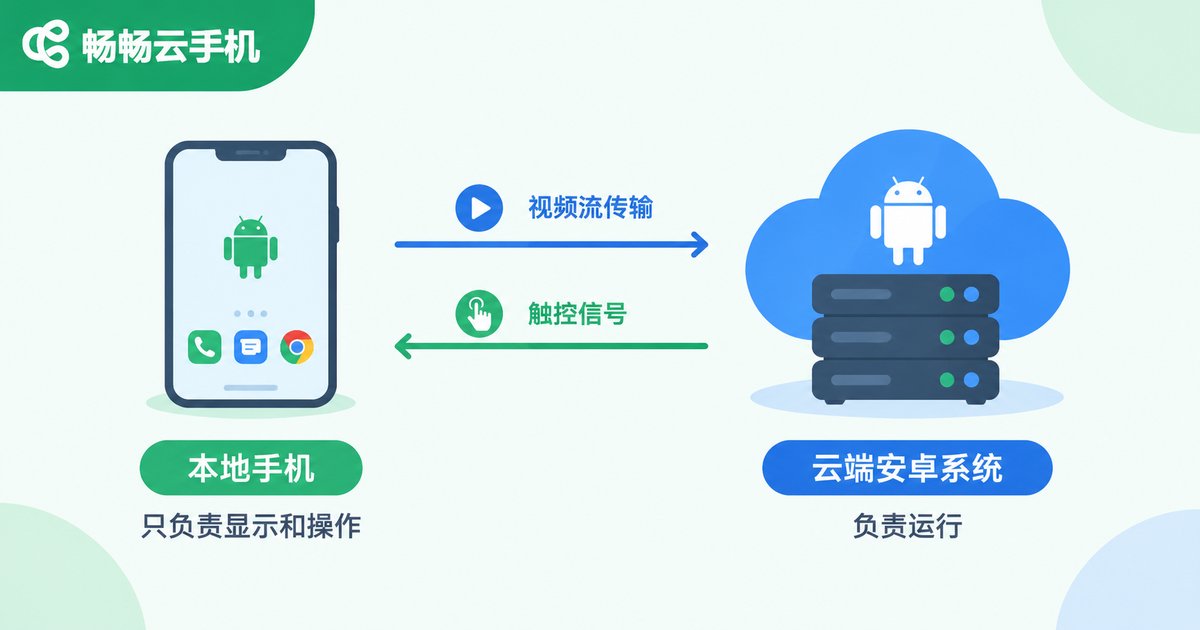
The most common question from first-time cloud phone users is: how does this thing actually work? Is it the same as a regular phone? Do I need technical skills?
The answer: it works almost exactly like a regular Android phone, and no, you don't need any technical background. Here's the complete walkthrough from zero to fully operational — follow along and you'll be up and running in minutes.
Step 1: Sign Up and Create Your First Instance
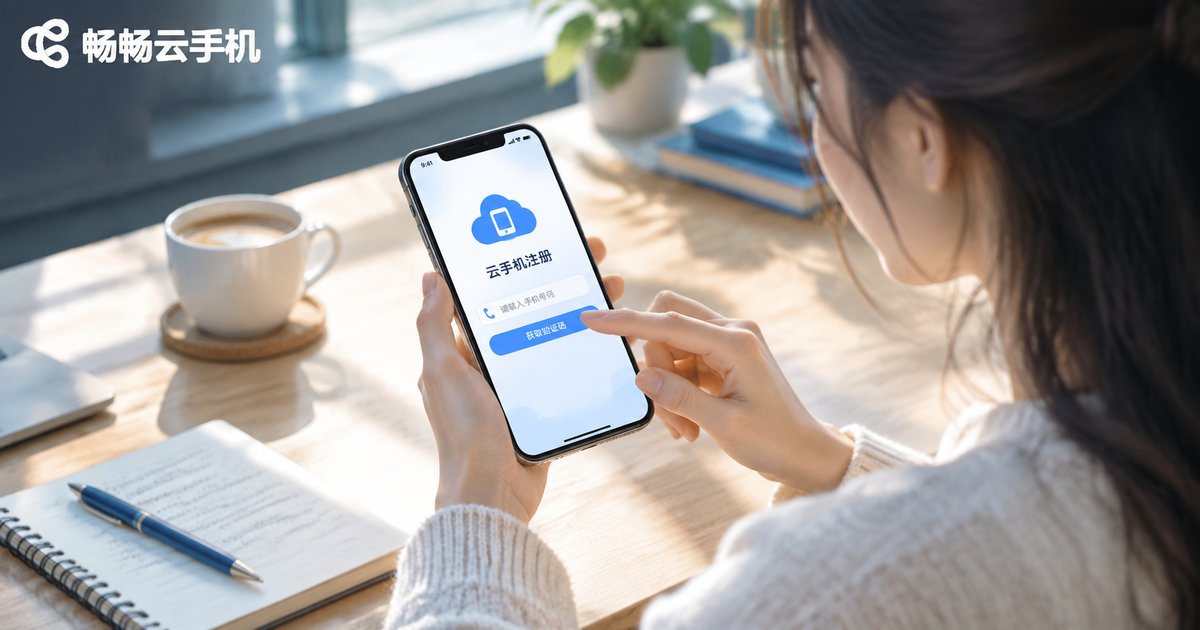
Start by creating an account on the CCloudPhone website. The signup process is the same as any online service — just an email or phone number.
Once logged in, you'll see a dashboard with a "Create Instance" button. Click it and you'll need to make a few choices:
- Configuration tier: Pick based on your needs. If unsure, the standard 4-core 4 GB handles the vast majority of use cases
- Android version: Generally pick the latest stable release. Choose an older version only if you need compatibility with legacy apps
- Data center location: Choose the one closest to your physical location for the lowest latency
Hit submit, and in about 30-60 seconds, a brand-new cloud phone is ready.
Step 2: Connect to Your Cloud Phone
After creation, your cloud phone appears in the instance list with a "Connect" button next to it.
There are typically two ways to connect:
- Web browser: No software installation needed — operate your cloud phone directly in the browser. Great for quick sessions or when you don't want to install anything
- Desktop/mobile client: Download the CCloudPhone desktop client or mobile app for a smoother experience with lower latency
Click connect, and a phone window appears on your screen — that's your cloud phone desktop, identical to a fresh Android device.
Step 3: Basic Environment Setup
The first thing to do after booting up your cloud phone is some basic configuration, just like setting up a new phone:
- Language and timezone: Set to your preference
- Network: The cloud phone is already online — no WiFi setup needed
- System updates: Generally handled by the provider; you don't need to manage these manually
- Screen resolution: Adjustable in the control panel. Higher resolution looks sharper but uses more bandwidth
These are all one-time settings. Set them once and forget about them.
Step 4: Install the Apps You Need
Installing apps on a cloud phone works exactly like a regular Android phone:
- Open the built-in app store, search for what you need, and install
- If an app isn't in the store, download the APK via the browser and install directly
- You can also upload APK files from your local machine (most clients support drag-and-drop upload)
One thing to note: cloud phones don't come with Google Play pre-installed. If you need apps from Google Play, you'll need to install the Google services framework first.
Step 5: Start Using It — AFK, Gaming, or Whatever You Need
Once your apps are installed, your cloud phone is fully ready. Now you can:
- Log into your game accounts and start AFK grinding
- Install social apps and keep multiple accounts online simultaneously
- Configure automation scripts to run scheduled tasks
- Close the connection window — the cloud phone keeps running in the background without interruption
That last point is crucial. Many first-time users instinctively "log out" rather than just "disconnect," worried that logging out will stop their tasks. In reality, you just close the connection window — the cloud keeps running everything.
Handy Tips
- File transfer: Most clients support drag-and-drop between your local machine and the cloud phone — great for APKs, images, and documents
- Clipboard sync: Some clients support shared clipboard between local and cloud, making copy-paste seamless
- Keyboard mapping: Desktop clients typically support key mapping, letting you control mobile games with a keyboard — a better experience than touch
- Scheduled restart: If your cloud phone gets sluggish after extended uptime, set a scheduled restart policy in the control panel — e.g., auto-restart daily at 3 AM
Common Questions
Q: How many cloud phones can I run at once?
It depends on your plan. CCloudPhone's basic plan includes one instance; premium plans support multiple simultaneous instances. Each instance is fully independent with no interference.
Q: Is the resolution the same as a real phone?
It's adjustable. Cloud phones support multiple resolution settings, from 720p to 1080p and beyond. Keep in mind that higher resolutions require more bandwidth — choose based on your actual network conditions.
Q: Can I root my cloud phone?
CCloudPhone offers root access on select configuration tiers. If you need root for scripts or tools, choose a root-enabled configuration when purchasing.
The Bottom Line
Cloud phones have a much lower barrier to entry than most people imagine. From signup to fully operational takes under 10 minutes — it's literally "Sign Up → Create → Connect → Install Apps → Start Using."
If you're on the fence, just apply for a trial instance. No commitment needed. Spend 10 minutes walking through the steps above, and you'll know whether this is for you.