How to Use a Cloud Phone: Step-by-Step Guide to Environment Setup and App Installation
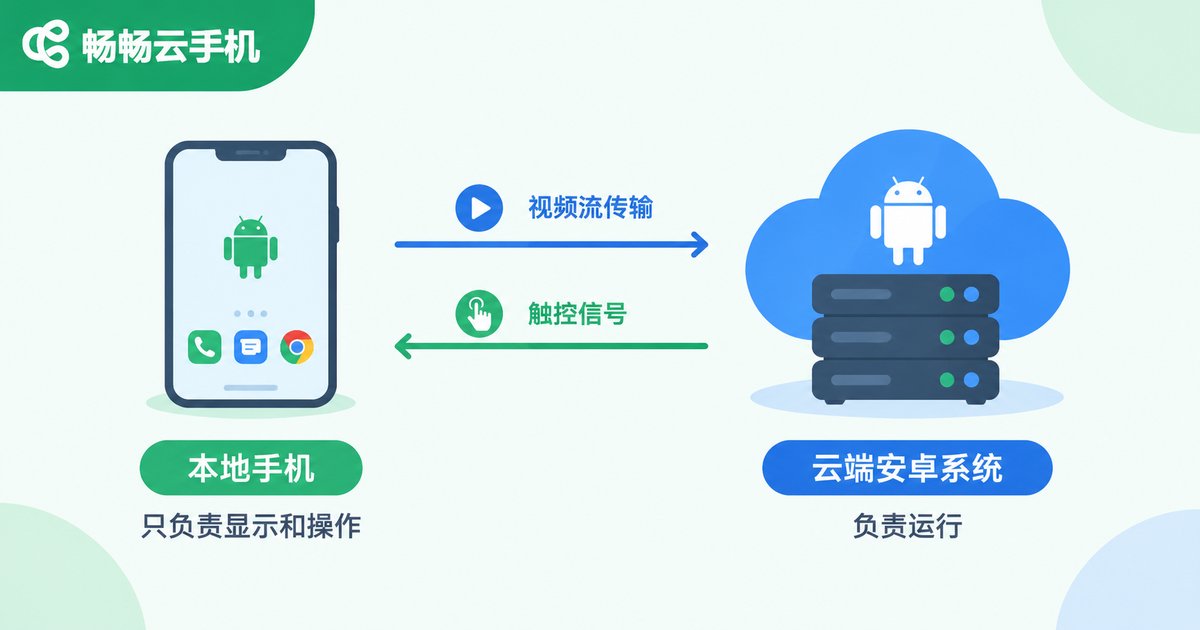
If you're new to cloud phones, you probably have a lot of questions: Is it an app or a website? Where's the power button? How do I install software? The logic is actually similar to renting a remote phone — the device sits in a data center, and you operate it through a streamed screen. Here's the complete workflow, broken down step by step.
Step 1: Register and Log In
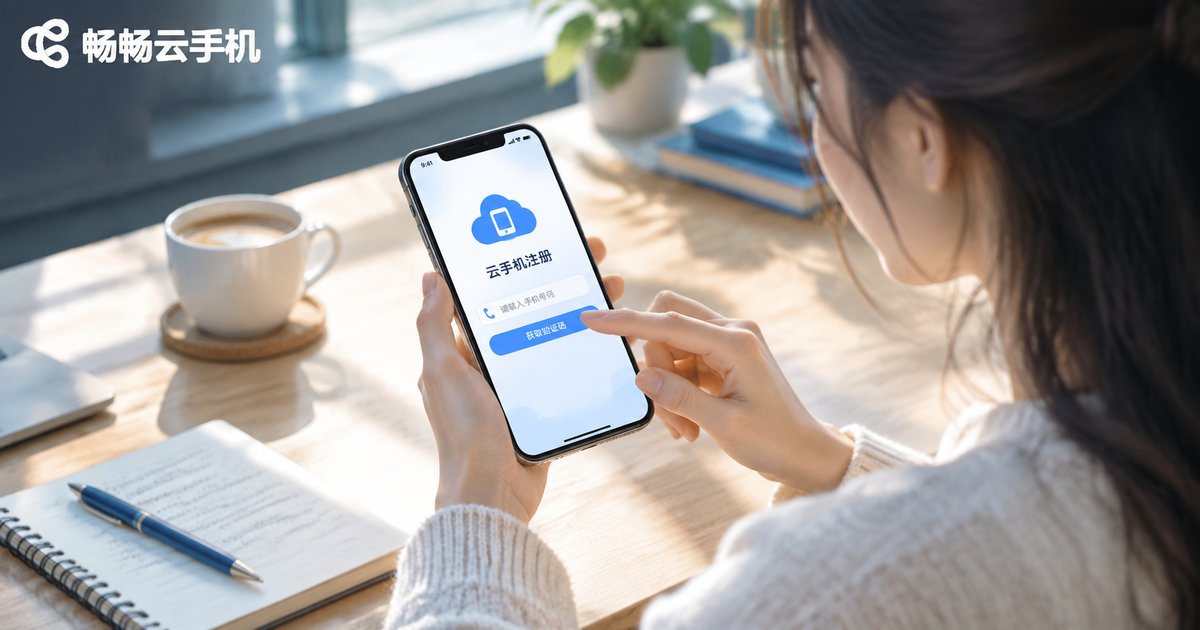
Cloud phone services are account-driven — all your cloud devices live under your account. Open the ChangChang Cloud Phone website or client and register with your phone number. Some channels support one-tap login.
Three quick tips for registration:
- Use your everyday phone number — you'll need it for password recovery and login alerts
- Don't reuse your game account password; your cloud phone often holds valuable game assets
- After registering, check the user center for free trial credits for new users
Step 2: Create Your Cloud Phone Environment
Once logged in, go to the console and tap "Create Cloud Phone" or "Add Device." There aren't many choices to make here, but each one affects your experience:
| Setting | Common Options | How to Choose |
|---|---|---|
| OS Version | Android 10 / 12 / 13, etc. | Pick a newer version if your game or app requires it; mid-range is fine for basic use |
| Performance Tier | Standard / Advanced / Flagship | Standard for chat apps and scripts; Flagship for heavy 3D games |
| Storage | 32G / 64G / 128G | Go bigger if you install many apps or large game packages |
| Billing | Hourly / Monthly / Yearly | Start hourly to test, then switch to monthly — it saves a lot |
Confirm your configuration, and the cloud assigns you a fresh virtual device within seconds. It's the equivalent of unboxing and powering on a real phone — except it all happens on a server.
Step 3: Connect to the Cloud Phone Screen
Once the device is ready, tap it in your device list to establish a video stream connection. The cloud phone's live screen appears on your phone or computer.
The controls work exactly as you'd expect:
- On mobile: tap where you want the cloud phone to tap; gestures and pinch-to-zoom are supported
- On PC: mouse clicks act as taps, and your keyboard types directly into the cloud phone
- Latency: on a normal home connection, expect a few dozen milliseconds — smooth enough for feeds and games
If the picture looks blurry, check the quality setting (switch to "HD") and your own network.
Step 4: Install Apps on the Cloud Phone
With the environment ready, it's time to install software. There are three main routes:
1. Built-in App Market Cloud phones usually ship with an app store. Search by name and install — the easiest path for common apps and mainstream games.
2. Upload an APK If the app you need isn't in the market (certain channel-version games, for example), upload the APK file from your local device. ChangChang Cloud Phone lets you drag-and-drop or select files right in the control interface — tap the package to install once uploaded.
3. Download via Link or QR Code Open the browser inside the cloud phone and visit a download page, or scan a QR code — exactly like on a real phone.
Note: cloud phone storage is independent. Apps installed on your physical phone won't sync over — the two environments are fully isolated.
Step 5: Log In and Start Using It
With apps installed, log into your game or app accounts inside the cloud phone. That's the whole "power on — install — get to work" loop. From now on: open the ChangChang Cloud Phone client, tap your device, and start working.
Two more everyday operations worth knowing:
- Restart / Reset: restart remotely if the device lags; "Reset" restores factory state but wipes all data inside
- Billing while off: on hourly plans, shutting down usually stops the meter; monthly plans are unaffected
Four Rookie Mistakes to Avoid
- Over-buying specs: paying for flagship performance just to run a script wastes money. Start low, upgrade if needed
- Forgetting to shut down: hourly users should check whether the meter keeps running after a session
- Location surprises: some games verify GPS; the default cloud location is the data center's city — adjust it in settings
- Treating it as a storage drive: a reset wipes everything — export important files to local storage first
Q&A
Q: Do I need to keep my own phone's screen on? A: No. The cloud phone runs on remote servers. Close the client or even power off your own phone — the cloud device keeps running, which is exactly why it's great for AFK tasks.
Q: How many apps can one cloud phone hold? A: It depends on your storage tier and app sizes. A 64G device comfortably fits a dozen everyday apps plus one or two large games.
Q: Can I manage the same cloud phone from both PC and mobile? A: Yes. Devices are bound to your account, not your hardware. Operate it on your computer, then log in on your phone and pick up right where you left off.
Q: Is my data safe inside a cloud phone? A: On legitimate platforms, instances are isolated from each other — nobody else can reach your device. ChangChang Cloud Phone uses independent instance isolation. Still, lock the screen or log out of sensitive accounts when you're done.
Q: What plan should a first-timer buy? A: Start with hourly billing or free trial credits for a day or two. Once you're happy with the smoothness and features, go monthly — yearly plans carry the biggest discounts for long-term users.