
Why Are There So Many Ads on Cloud Phones?\n\nMany users find that a freshly created ChangChang Cloud Phone instance is already bombarded with pop-ups and ads before they've even installed a few apps. This isn't a cloud phone problem per se — it's the result of several compounding factors.\n\nFirst, cloud phone instances are typically fresh Android environments with pre-installed app stores and partner apps that carry ads. Second, cloud phone users often batch-install apps from varying sources, and many free apps monetize through ads. Third, cloud phones lack the manufacturer-customized system layer (like MIUI, EMUI) that includes built-in ad blocking.\n\nThe good news: because the cloud phone is a virtual environment, you can clean ads more thoroughly than on a physical phone — worst case, just reset the instance and start over. This guide teaches you to create an ad-free, clean cloud phone environment from system level to app level.\n\n## Ad Source Classification and Response Strategy\n\n| Ad Source | Form | Severity | Strategy |\n|:---|:---|:---|:---|\n| Pre-installed apps | Notification bar push, desktop pop-ups | Medium | Uninstall or disable pre-installed apps |\n| App store recommendations | Install page ads, recommendation pop-ups | Low | Change app store or disable recommendations |\n| Free app built-in ads | Banner, interstitial, video ads | High | Install ad-free or paid versions |\n| Malicious adware | Frequent pop-ups, auto-installing apps | Very high | Security scan + factory reset |\n| Browser ads | Web pop-ups, redirect jumps | Medium | Install ad-blocking browser |\n| Push notification ads | Notification bar spam | Medium | Disable notification permissions |\n\n## Step 1: System-Level Cleanup\n\n### Uninstall/Disable Pre-installed Apps\n\nAfter creating a ChangChang Cloud Phone instance, the system typically has some pre-installed apps. Some are system essentials, while others are partner promotions.\n\nHow to:\n\n1. Go to "Settings → App Management"\n2. View all installed apps\n3. For unnecessary pre-installed apps, tap "Uninstall" or "Disable"\n\n| Pre-installed App Type | Recommendation | Reason |\n|:---|:---|:---|\n| Core system services (Phone, SMS) | Keep | System essential |\n| App store | Keep as needed | May push ads |\n| Partner promotion apps | Uninstall | Pure ad apps |\n| System tools (File Manager, Calculator) | Keep | Useful tools |\n| Third-party browser | Uninstall, use ad-free browser | Often carries ad pushes |\n| Pre-installed games | Uninstall as needed | May contain in-app purchase ads |\n\n### Disable System Ad Pushes\n\nIn ChangChang Cloud Phone's Android system, some system-level ad pushes can be disabled:\n\n| Setting | Path | Recommended |\n|:---|:---|:---|\n| Notification push | Settings → App Management → Each App → Notifications | Only essential apps |\n| Content recommendations | Settings → System → Recommended Content | Off |\n| Personalized ads | Settings → Privacy → Personalized Ads | Off |\n| Diagnostic data | Settings → Privacy → Diagnostic Data | Off |\n| Usage reports | Settings → Privacy → Usage Reports | Off |\n\n## Step 2: Install Ad Blocking Tools\n\n### DNS-Level Ad Blocking\n\nThis is the simplest and most effective ad blocking method — by modifying the DNS server address, ad requests are blocked at the domain resolution level.\n\n| DNS Service | Address | Effect | Configuration |\n|:---|:---|:---|:---|\n| AdGuard DNS |
Operations · Engineering · Trends
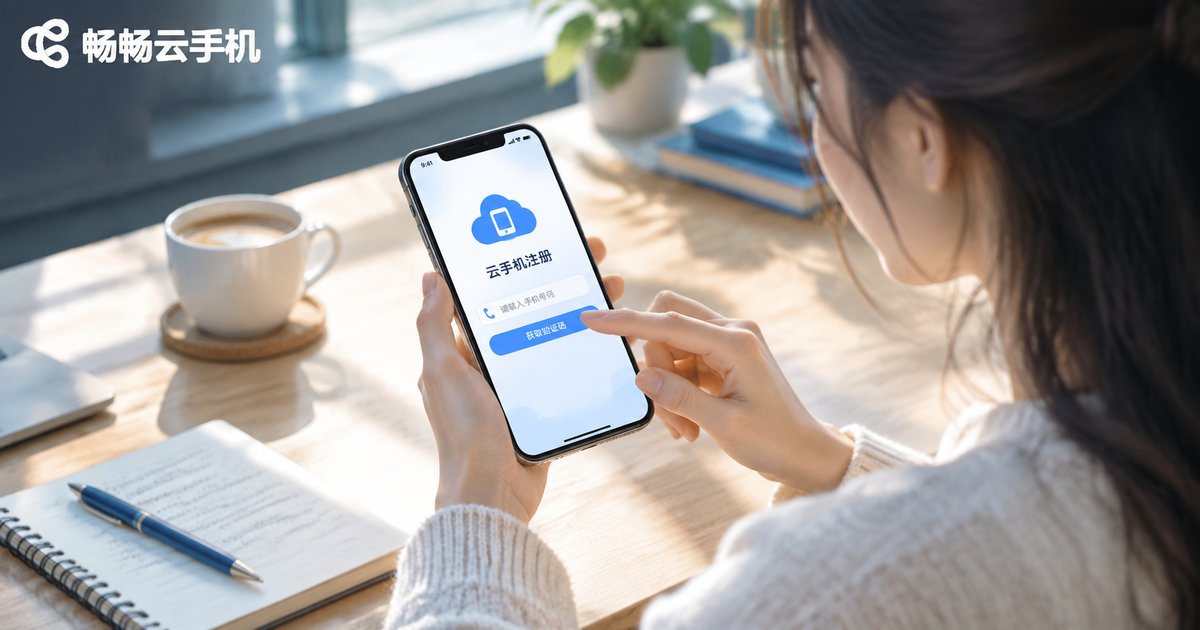
How to Register a Cloud Phone Account? Registration Process and Precautions Explained
Wondering how to create a cloud phone account? This guide walks you through the entire registration process step by step, from preparing a phone number and a stable network to receiving the SMS verification code and setting a secure password. It also covers essential precautions, such as downloading the app from official channels, protecting your verification code, and following the one-account-per-number rule. A troubleshooting table explains what to do when the code never arrives or the page fails to load. Using ChangChang Cloud Phone (ccloudphone) as an example, this article helps you finish registration in a couple of minutes and start your cloud phone experience with confidence.
Read more
Carrier Cloud Phones vs Third-Party Cloud Phones: How to Choose
Carrier cloud phones and third-party cloud phones may look similar, but they serve very different purposes. Carrier services are add-ons bundled with telecom plans — trustworthy and easy to bill, yet basic in features. Third-party platforms are professional productivity tools offering batch multi-instance management, group control, game idling, and app hosting. This article breaks down the core differences in a single comparison table and helps you decide with three key questions: choose a carrier cloud phone for light backup needs, and choose a professional third-party service such as ChangChang Cloud Phone (ccloudphone) for game idling, multi-account operations, and studio-scale workloads.
Read more
Are Cloud Phones Expensive? Why Some Cost Tens While Others Cost Hundreds per Month
Cloud phone plans can cost anywhere from a few tens to several hundred yuan per month, and the gap comes down to four things: hardware tier, number of instances, dedicated versus shared resources, and value-added features such as group control and multi-instance management. This guide breaks down how cloud phone pricing actually works, compares what budget and premium tiers can realistically do, and shares practical tips on matching a plan to your real needs—start small, trial first, and upgrade on demand—so you pay for performance you will actually use instead of specs that only look good on paper.
Read more